
Marbella • History & Art
Cultural Sites in Marbella
Marbella’s beauty extends far beyond its beaches. Explore Roman, Moorish, and Andalusian landmarks through a curated cultural route—built to let the photography lead.
A brief journey
Marbella Through Time
Marbella is a layered coastal city: early communities shaped the shoreline, Romans left villas and mosaics, Al-Andalus built fortifications, and the Andalusian Old Town formed around plazas and churches. In the 20th century, the seafront transformed—and today heritage and lifestyle live side by side.
Early coastal settlements
Long before Marbella became a destination, its coast offered shelter, fishing, and trade routes. Small communities settled near water and fertile land, shaping the first human footprint of the area.
Roman Marbella
Rome leaves some of the clearest traces: villas, mosaics, and bathing culture. Sites like Río Verde reflect craftsmanship, Mediterranean daily life, and a wealthy coastal presence.
Moorish era
The medieval period reshapes the town’s defensive identity. The castle walls and the structure of the old medina recall centuries of Al-Andalus—protection, trade, and a city built around a fortress.
Christian & Andalusian Old Town
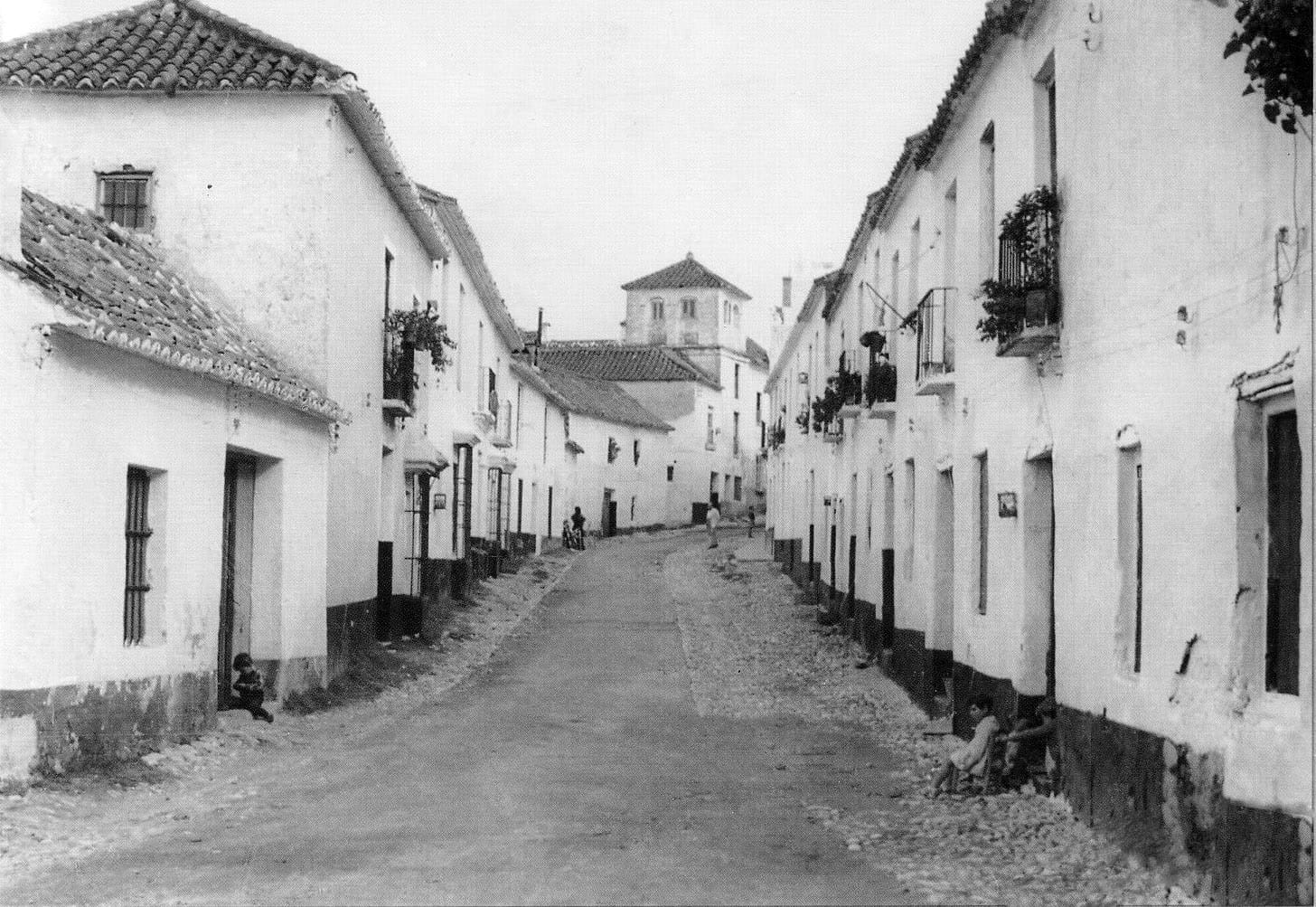
After the late 15th century, Marbella becomes recognizably Andalusian: whitewashed streets, plazas, churches, and civic buildings. The Plaza de los Naranjos anchors local life as the social heart.
20th century transformation
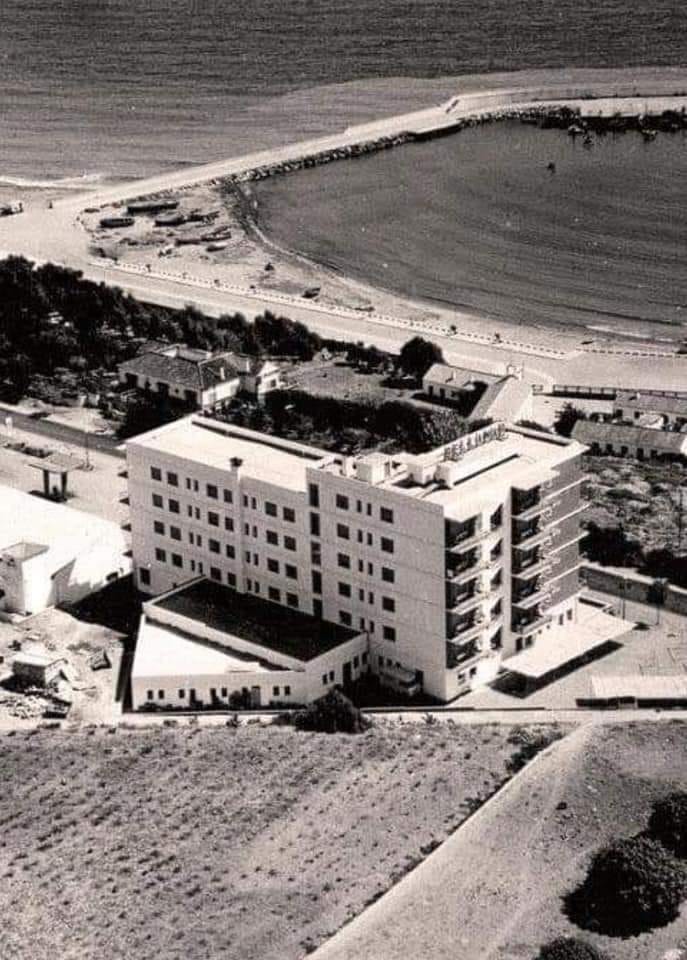
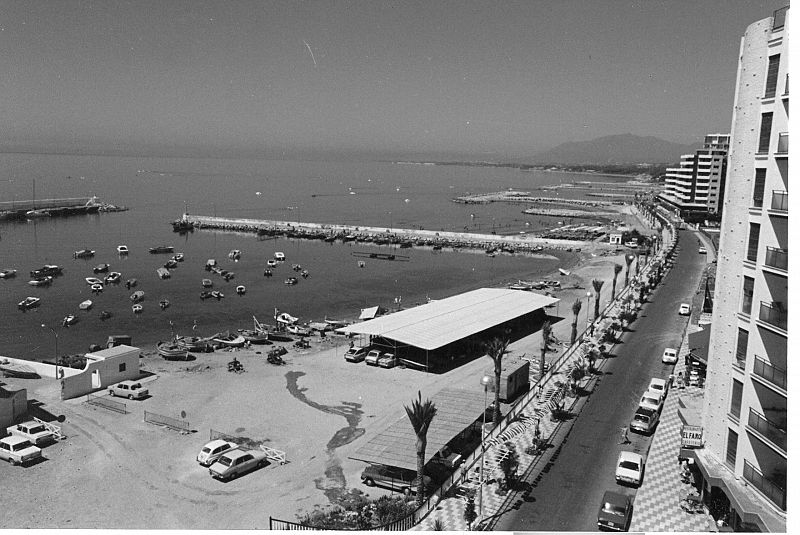
Hotels, promenades, and new neighborhoods expand the coastline. Marbella becomes a place where tradition and modern leisure meet—especially along the Paseo Marítimo.
Contemporary Marbella
Today, the city is both heritage and lifestyle: Roman layers, Moorish traces, an intimate Old Town, and public art like the Dalí sculptures that turns the seafront into an open museum.
Old Town (Casco Antiguo)
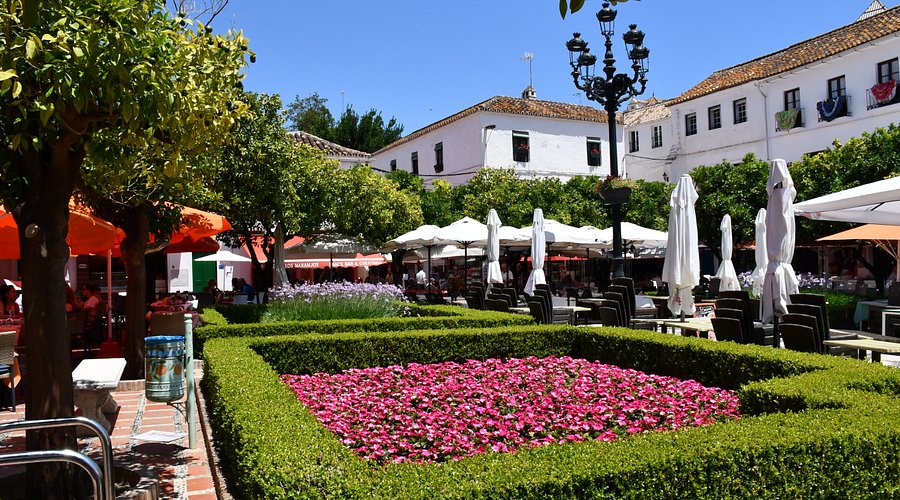
The Old Town (Casco Antiguo)
A charming labyrinth of whitewashed streets, small squares, and traditional Andalusian architecture. The focal point is the famous Plaza de los Naranjos (Orange Square), dating back to 1485.
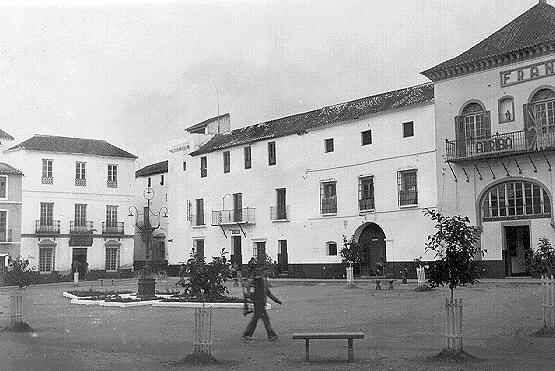
Then & Now — Plaza de los Naranjos
Drag the slider to reveal Marbella across time. Tap either image to enlarge.
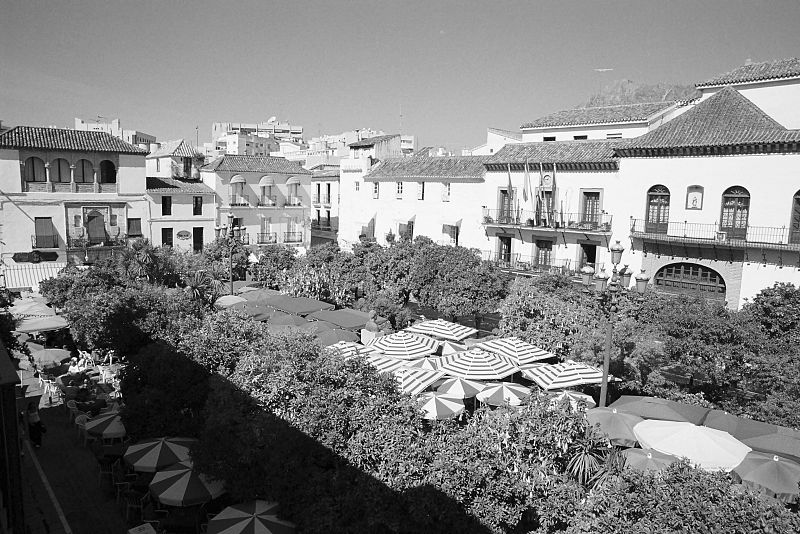
Plaza de los Naranjos — Past & Present
A quick visual jump through time. (Autoplays gently, swipe on mobile.)
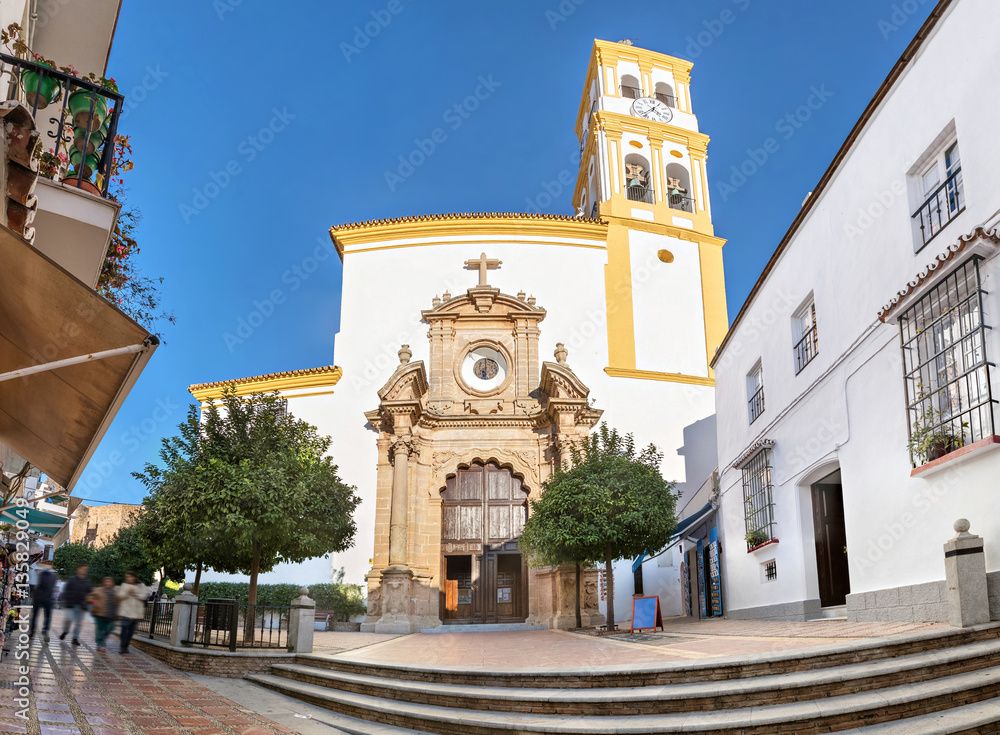
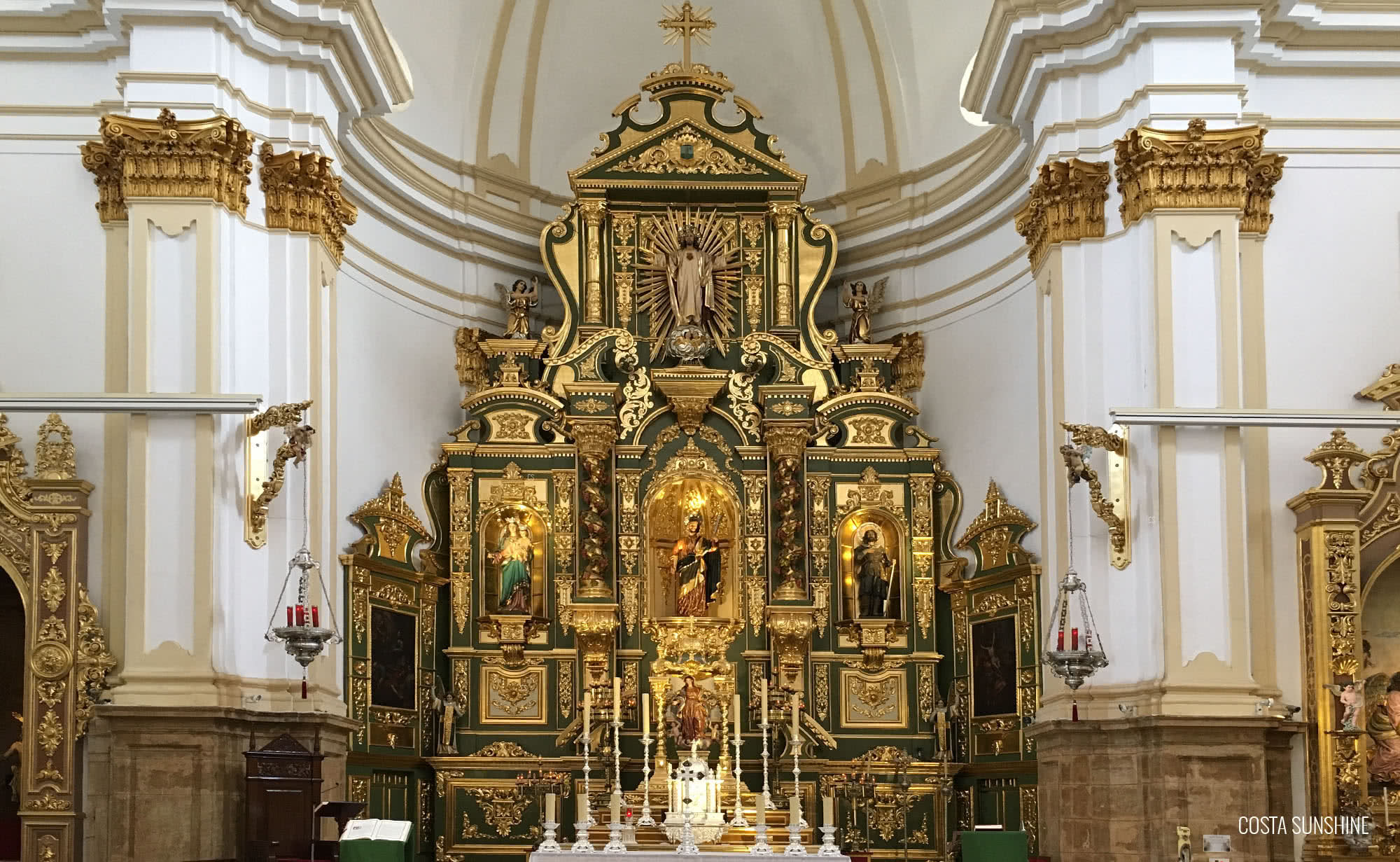
Iglesia de Nuestra Señora de la Encarnación
Built after the Christian conquest on the site of a former mosque, this is Marbella’s most important religious building.
View on Google Maps →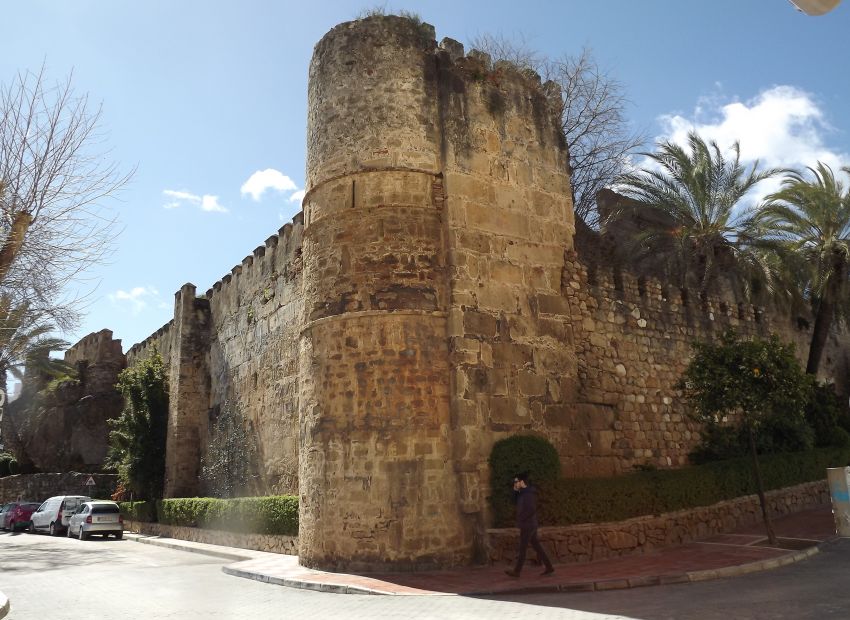
Murallas del Castillo (Castle Walls)
10th–11th century remains of Marbella’s Muslim past—once part of the defensive Alcazaba protecting the medina.
View on Google Maps →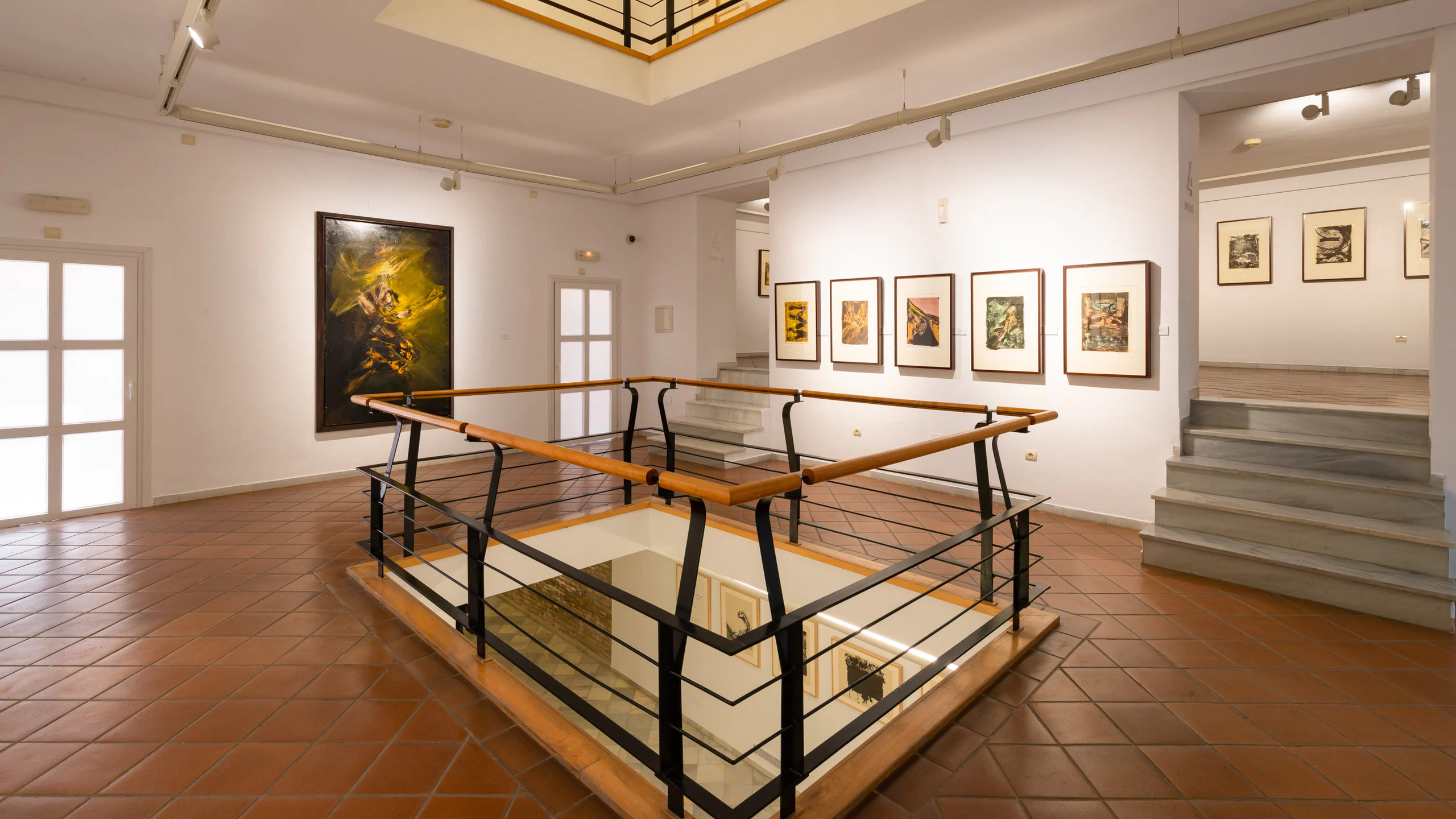
Museo del Grabado Español Contemporáneo (MGEC)
A dedicated printmaking museum housed in the 16th-century Bazán Hospital—an excellent stop inside the Old Town.
View on Google Maps →Roman Marbella & Seafront Art
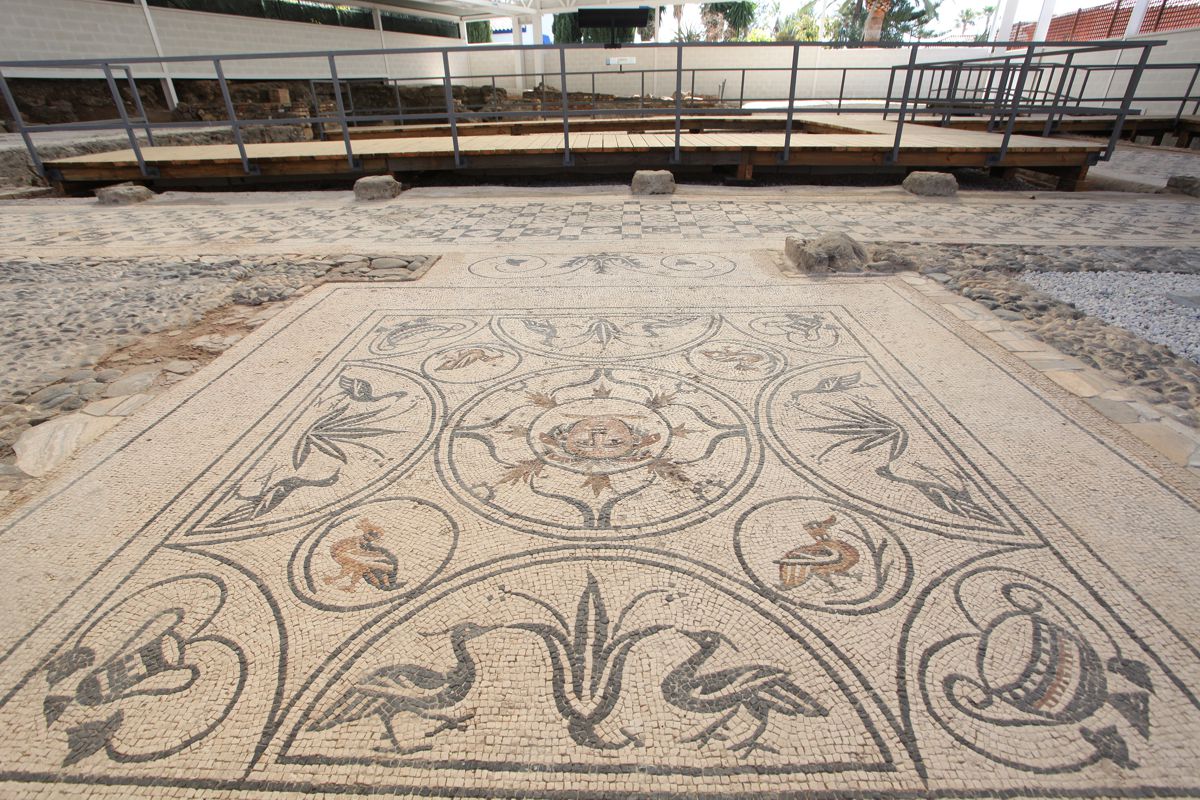
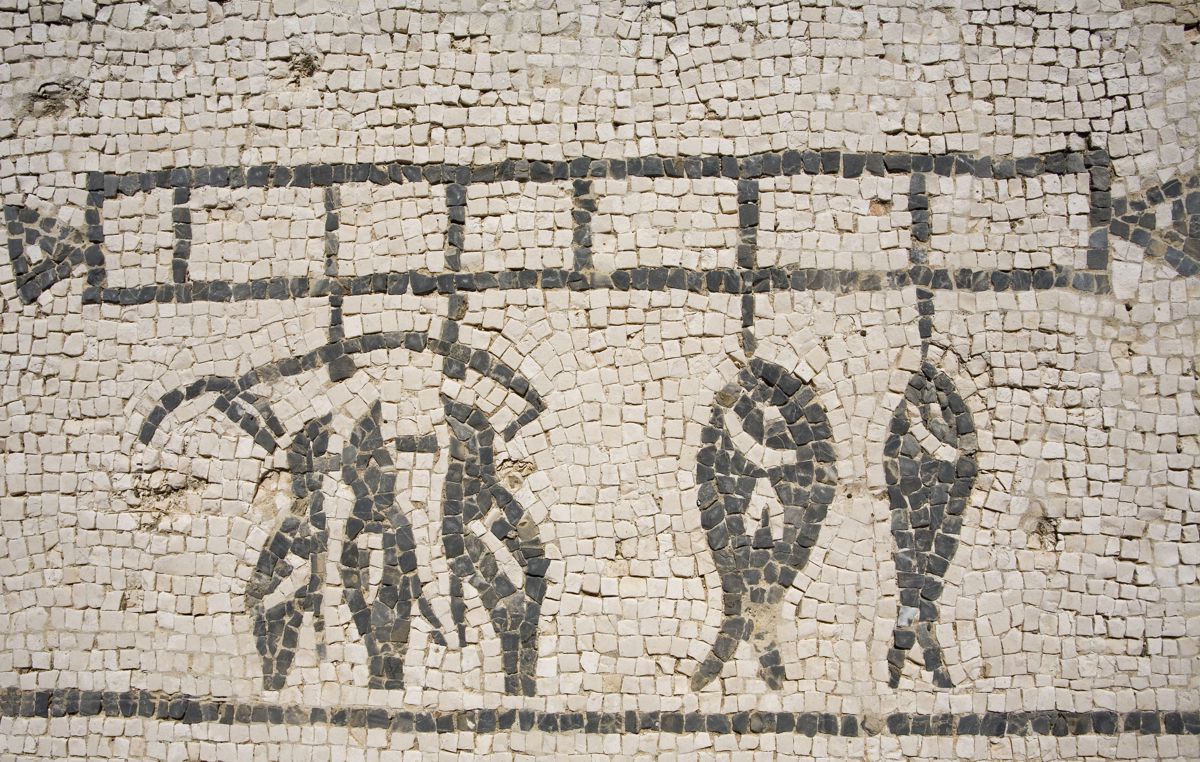
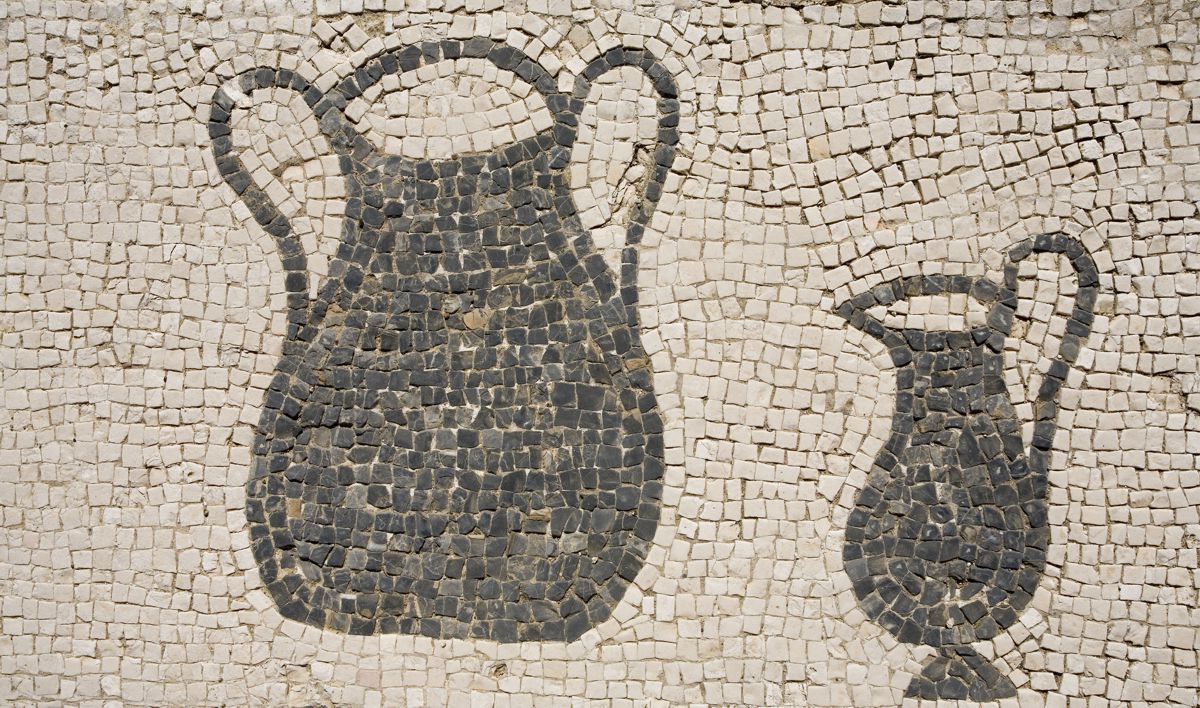
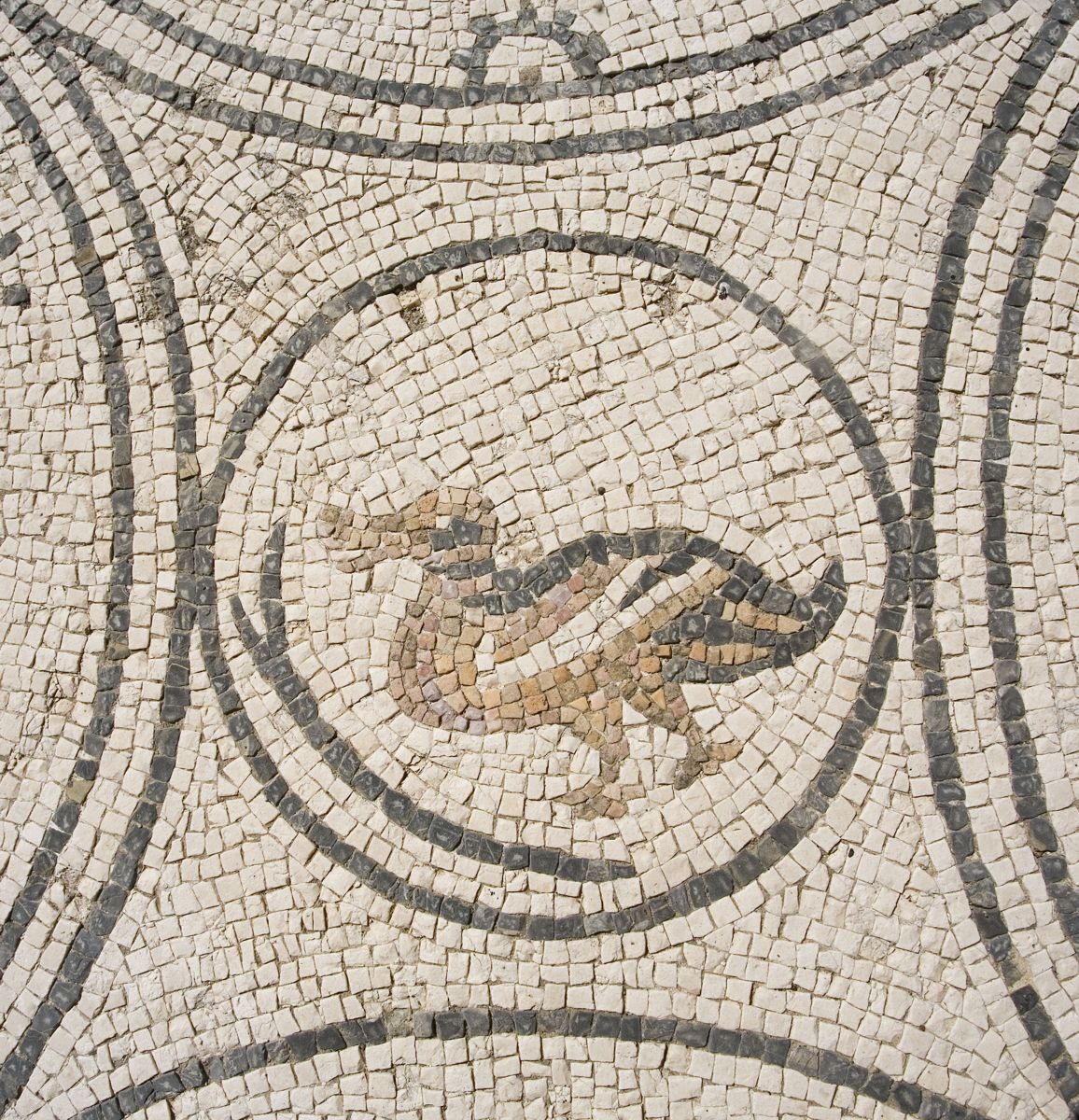
Roman Villa of Río Verde
1st–2nd centuries AD. Famous for black-and-white mosaics—an intimate window into Roman daily life on the Costa del Sol.
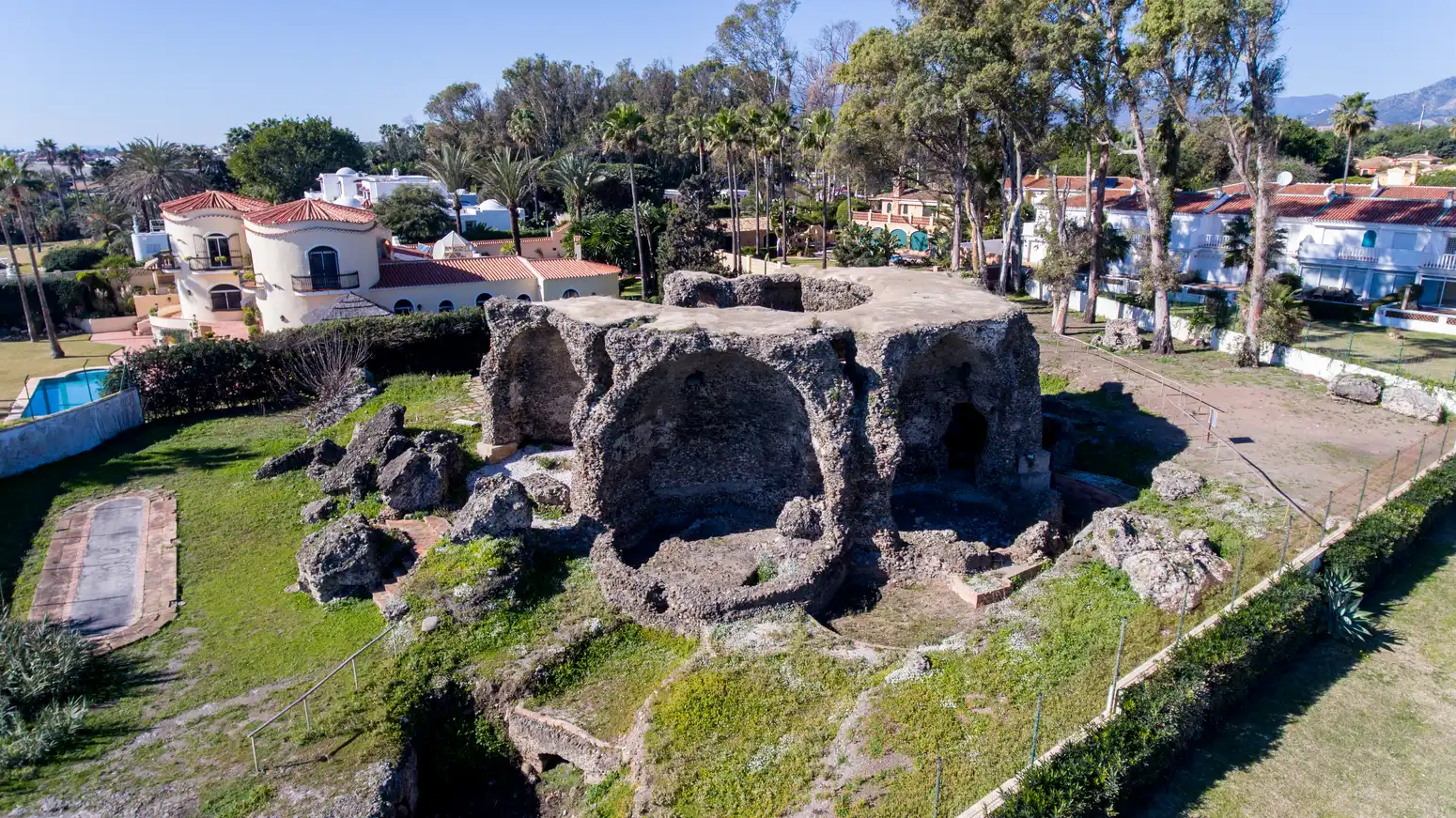
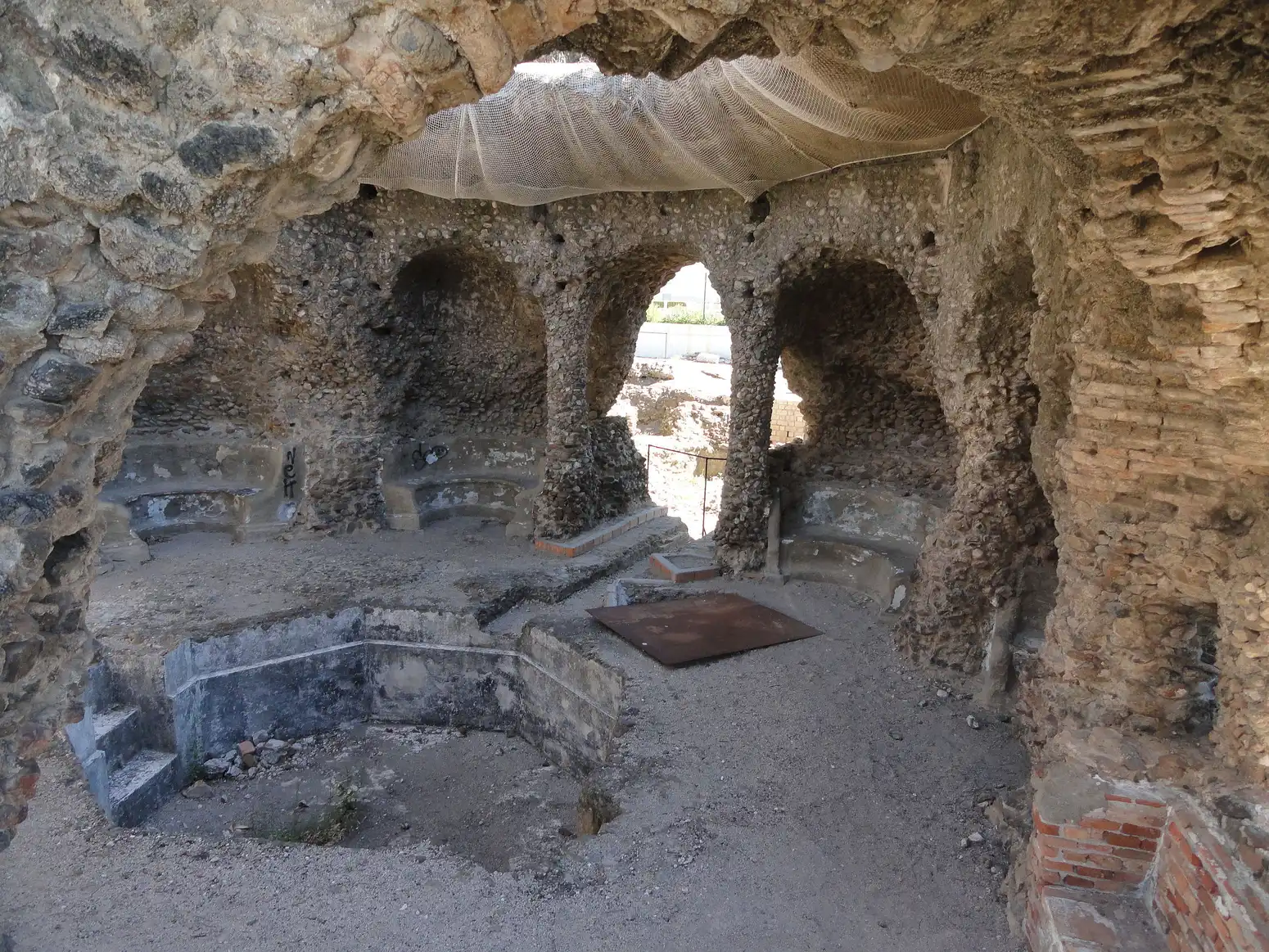
Roman Baths (Las Bóvedas)
A unique Roman thermal complex near San Pedro de Alcántara—one of the most distinctive archaeological sites in the Marbella area.
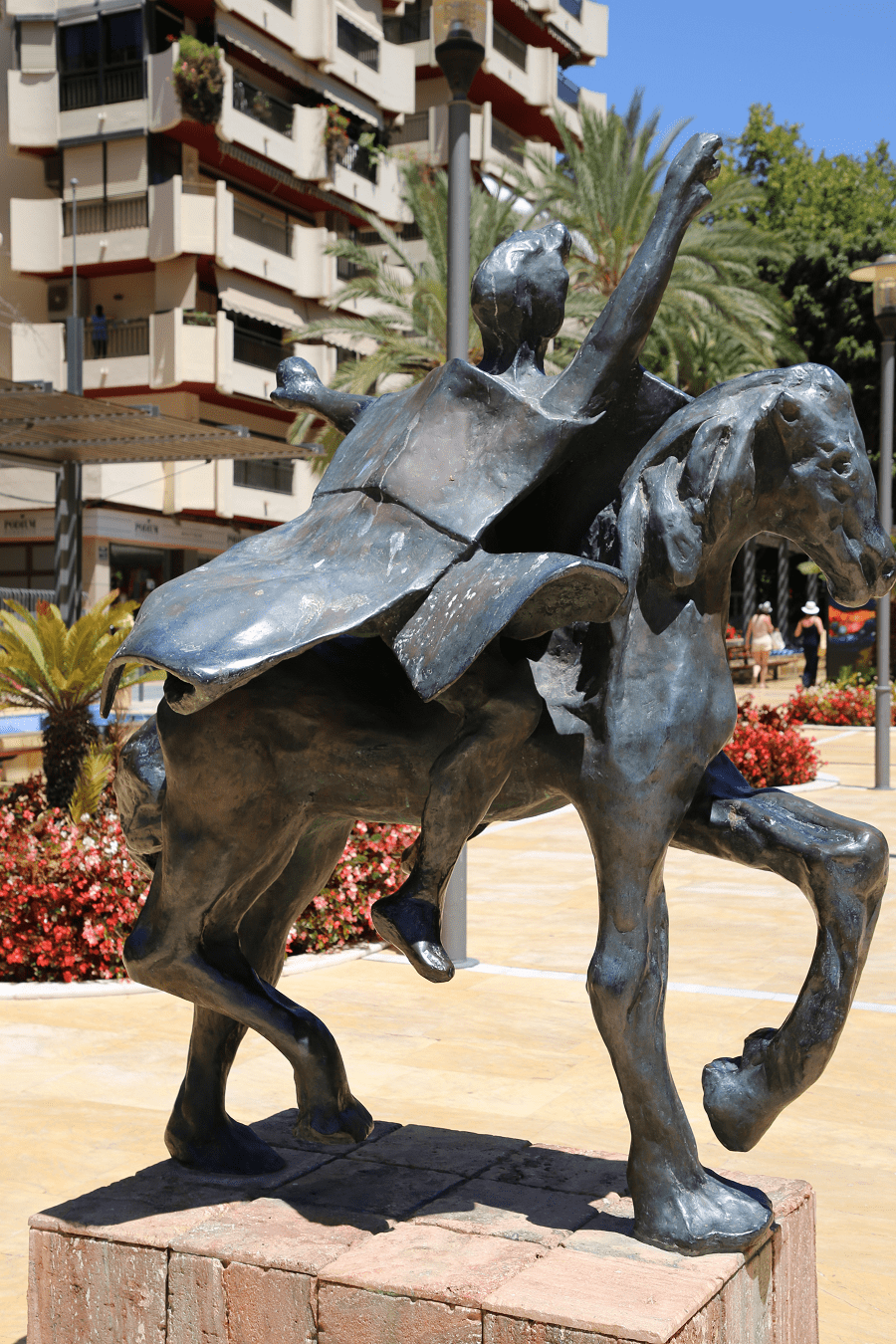
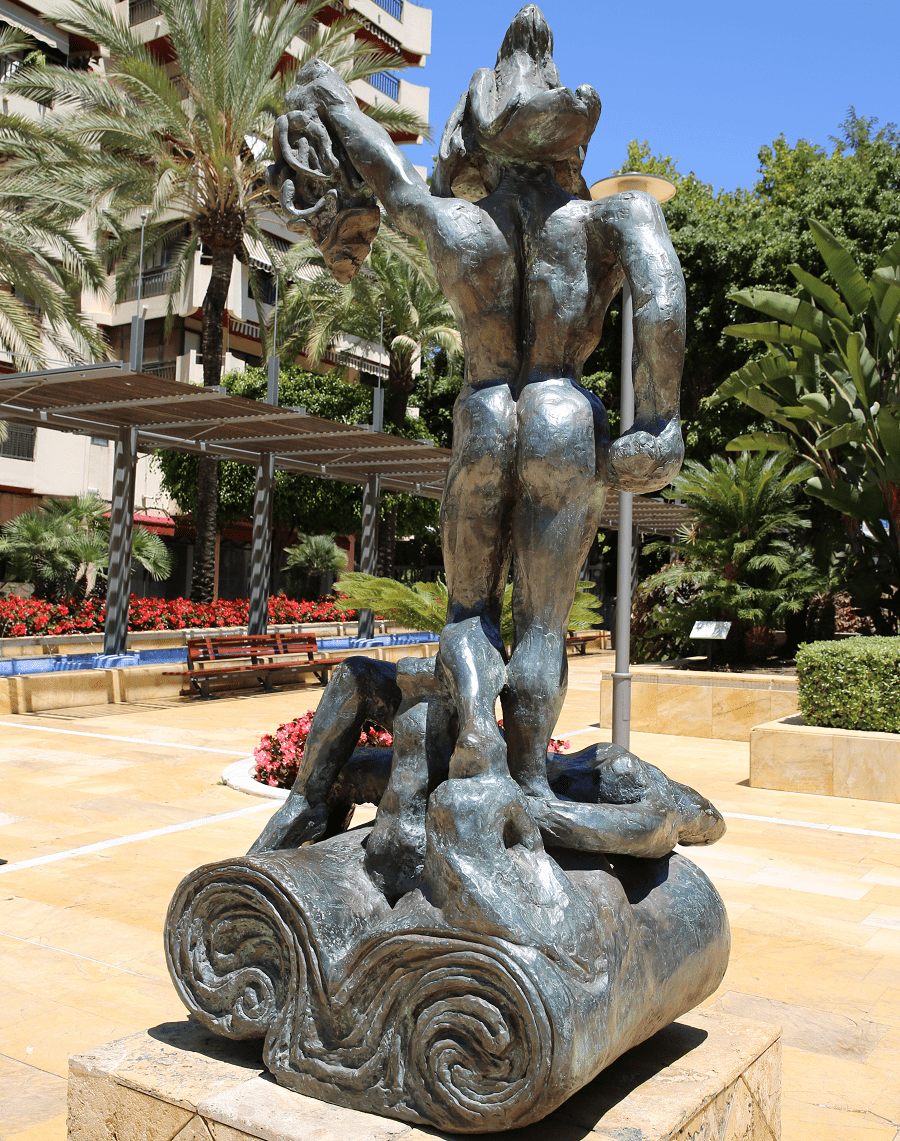
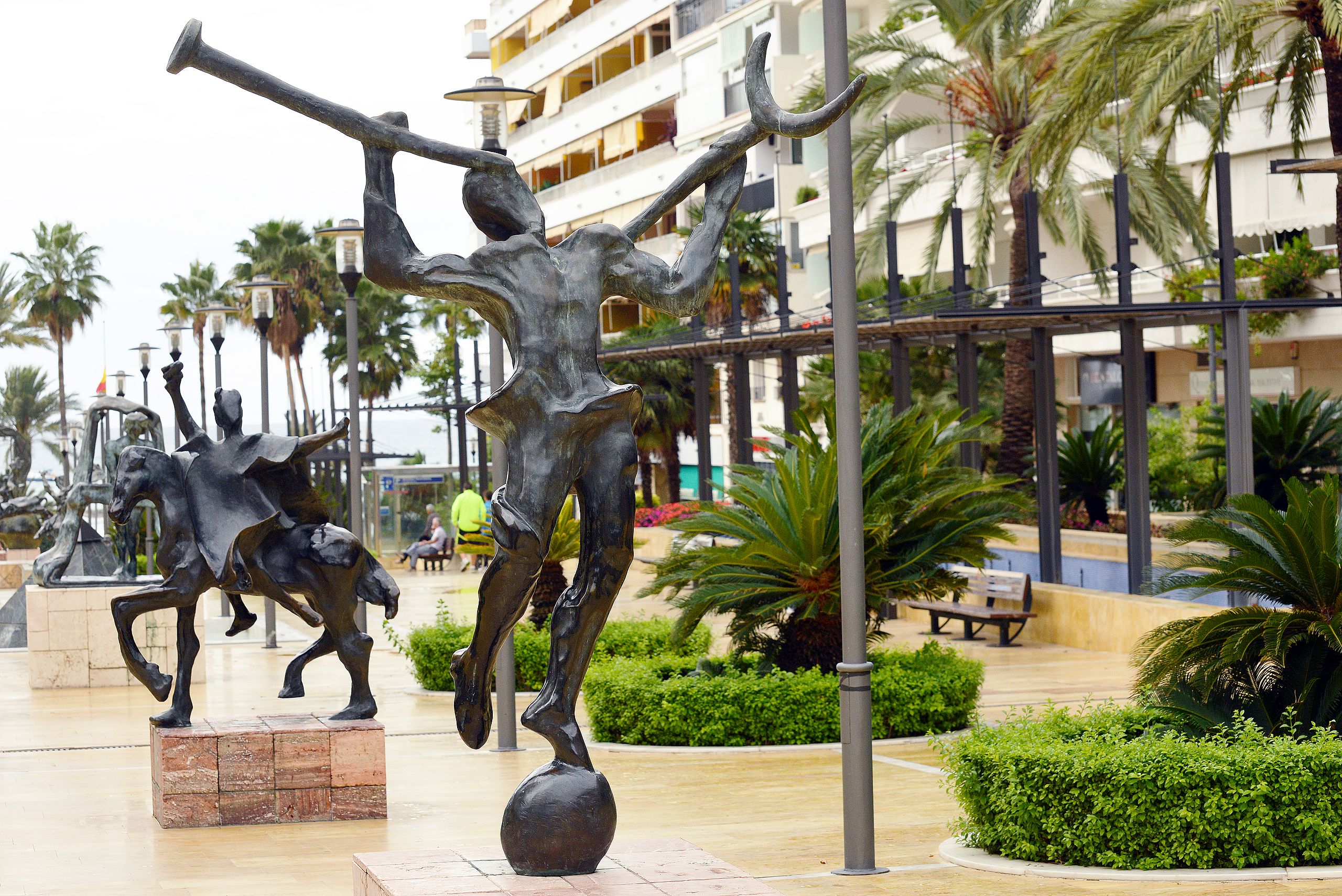
Avenida del Mar (Dalí Sculptures)
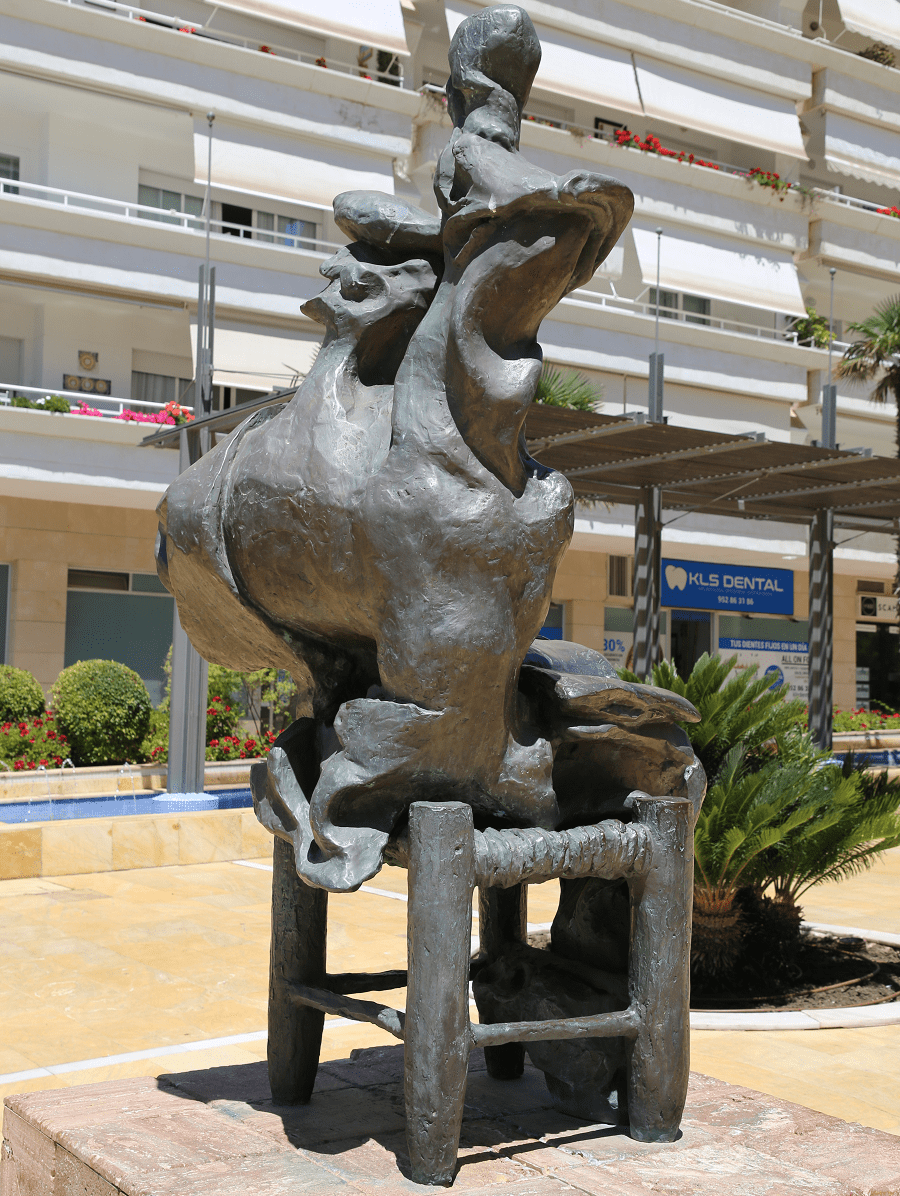
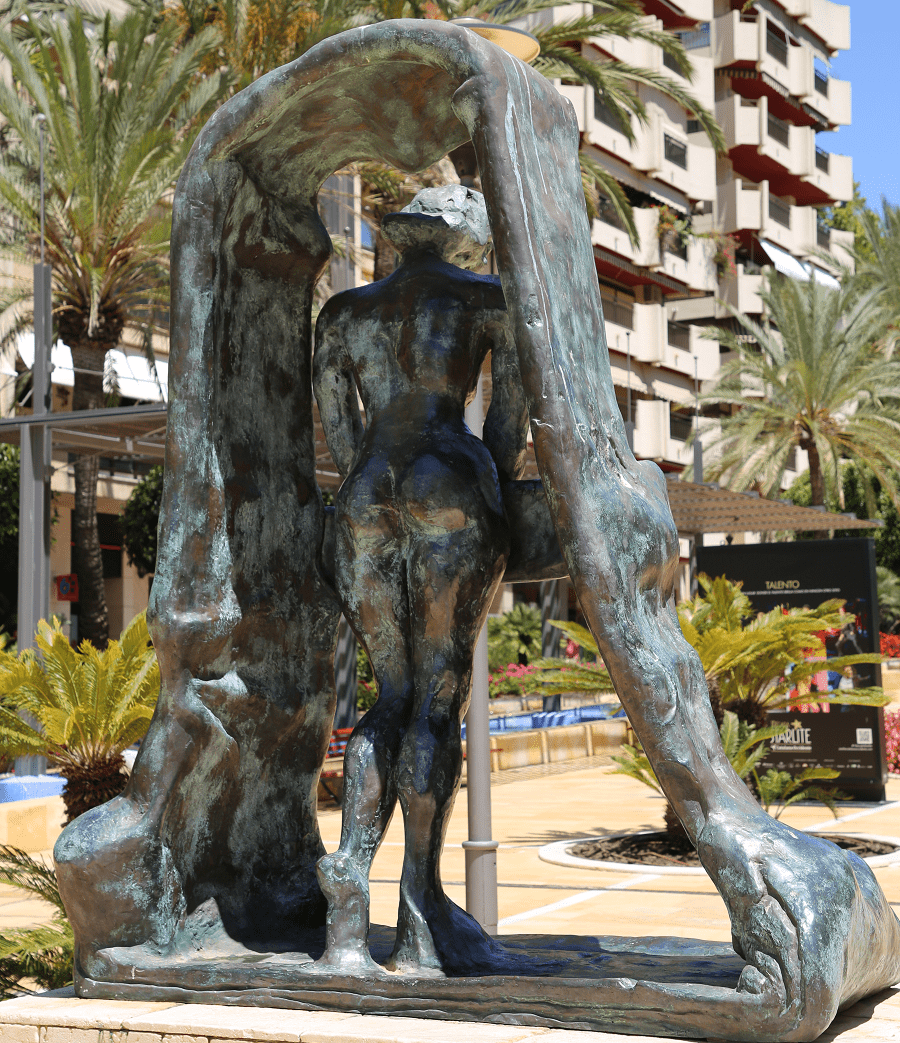
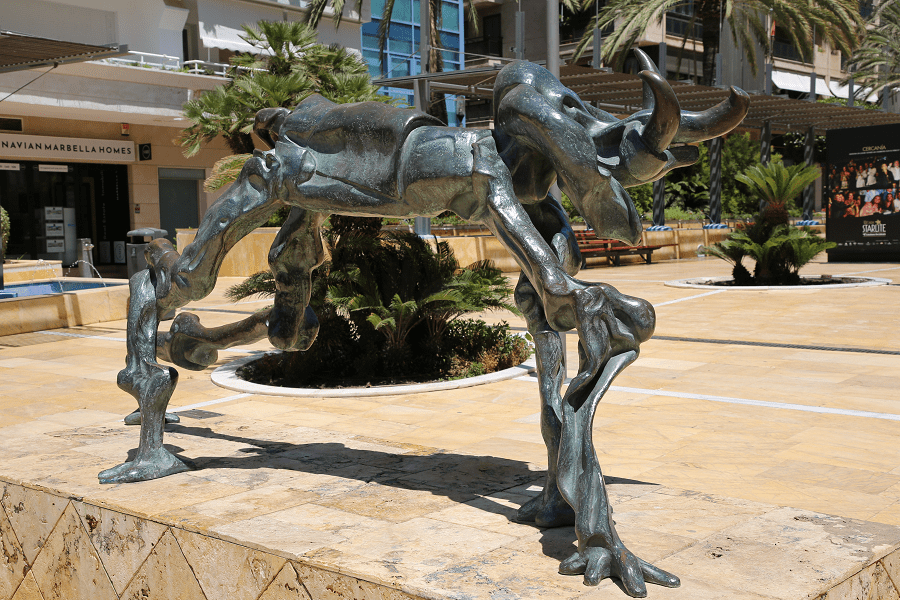
An open-air museum between Alameda Park and the Paseo Marítimo—ten bronze sculptures by Salvador Dalí with the sea as backdrop.
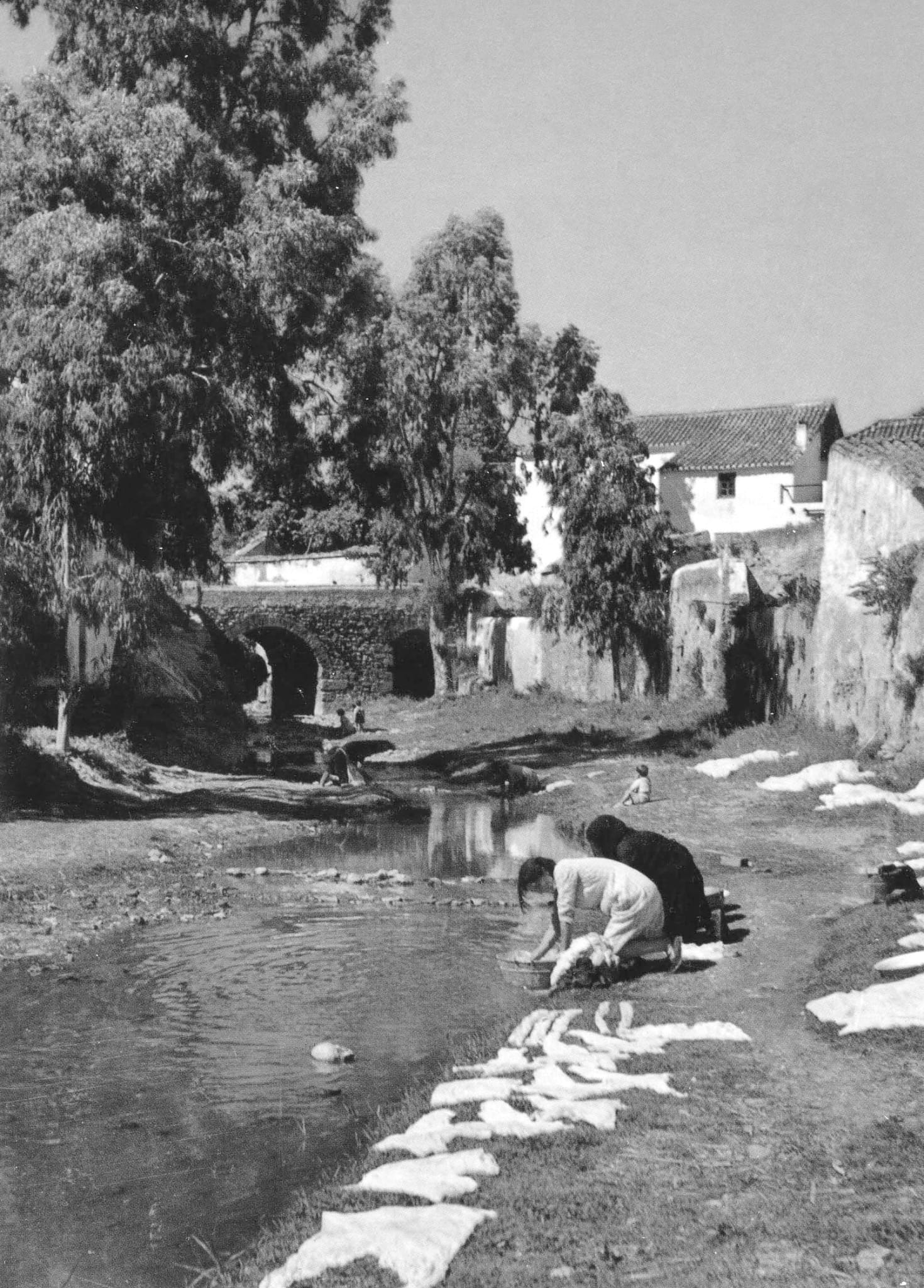
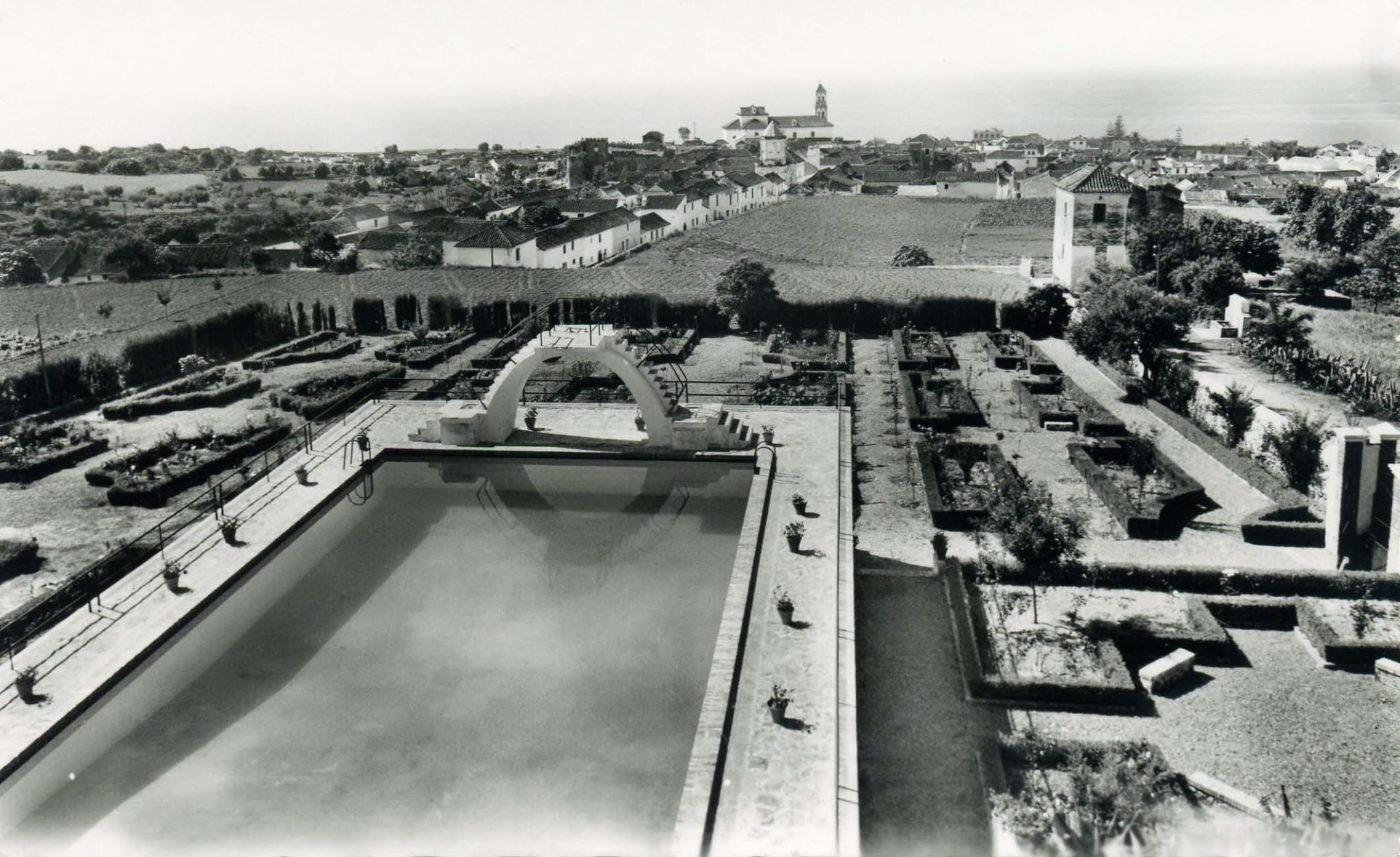
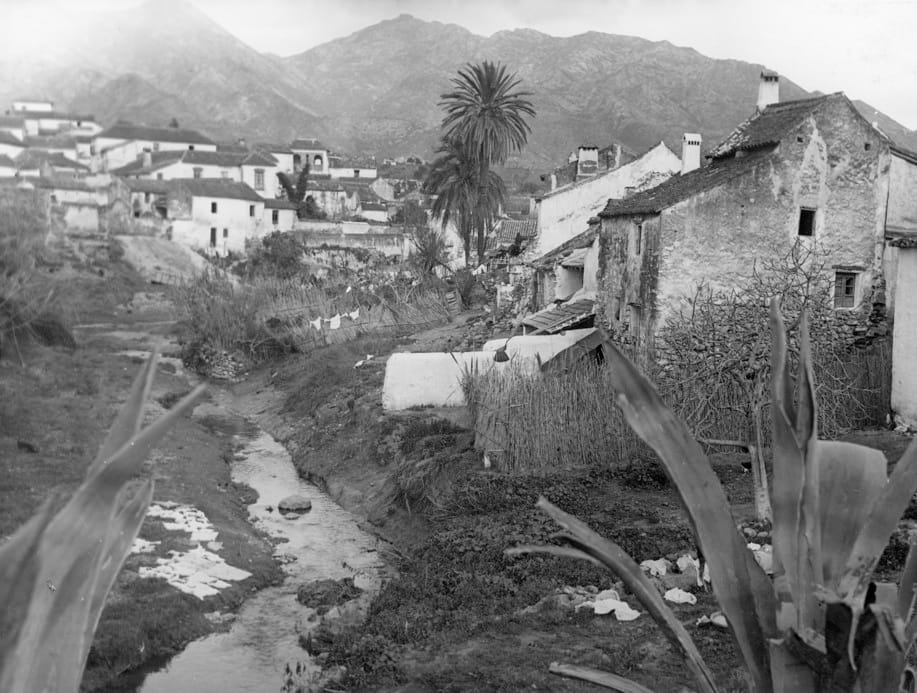
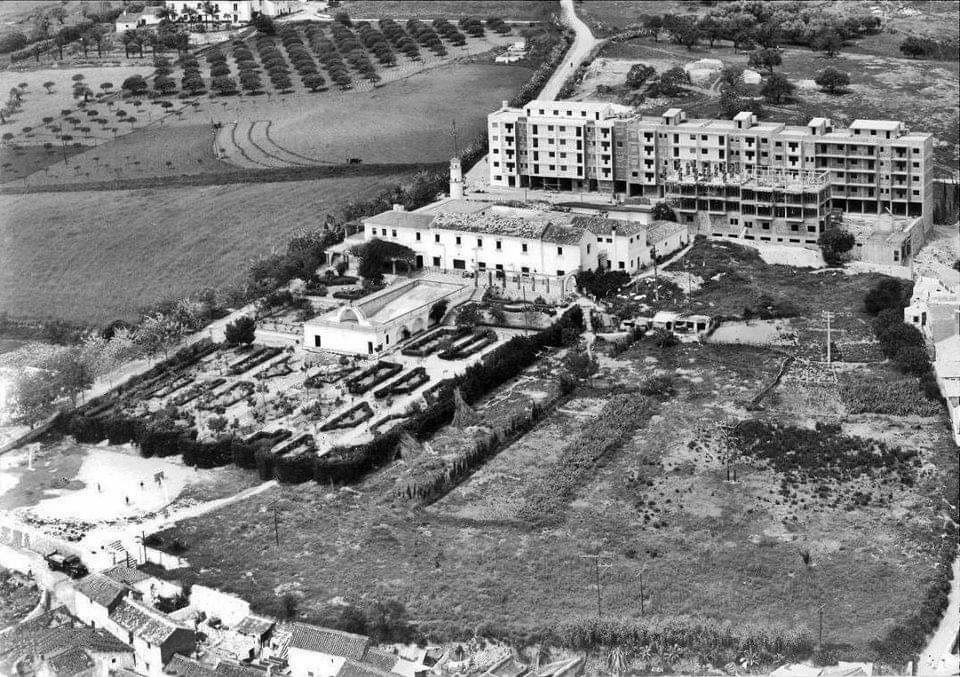
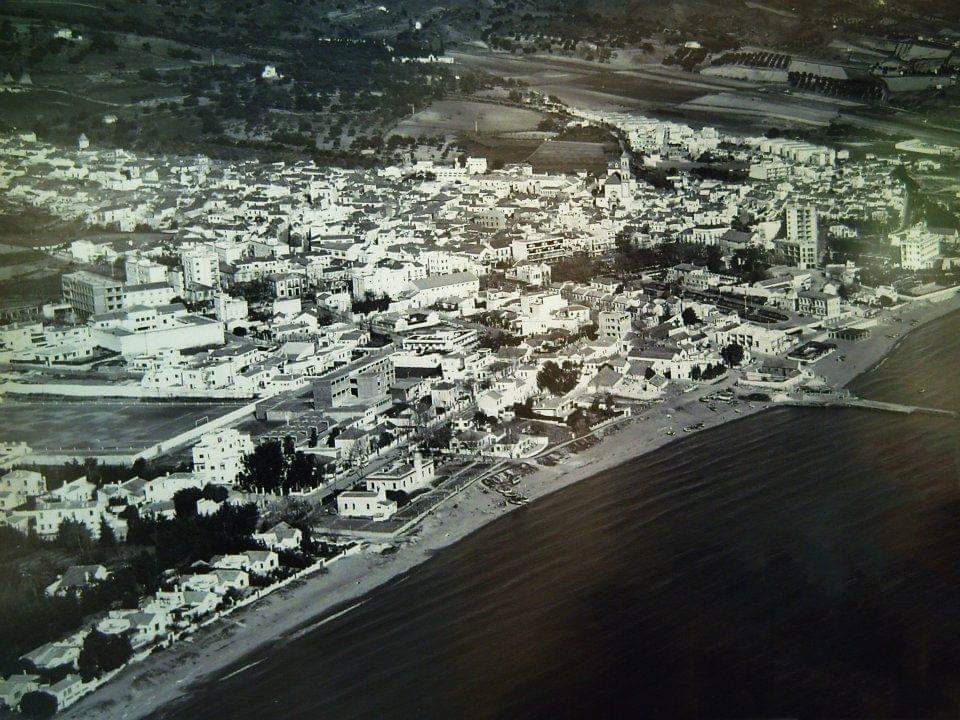
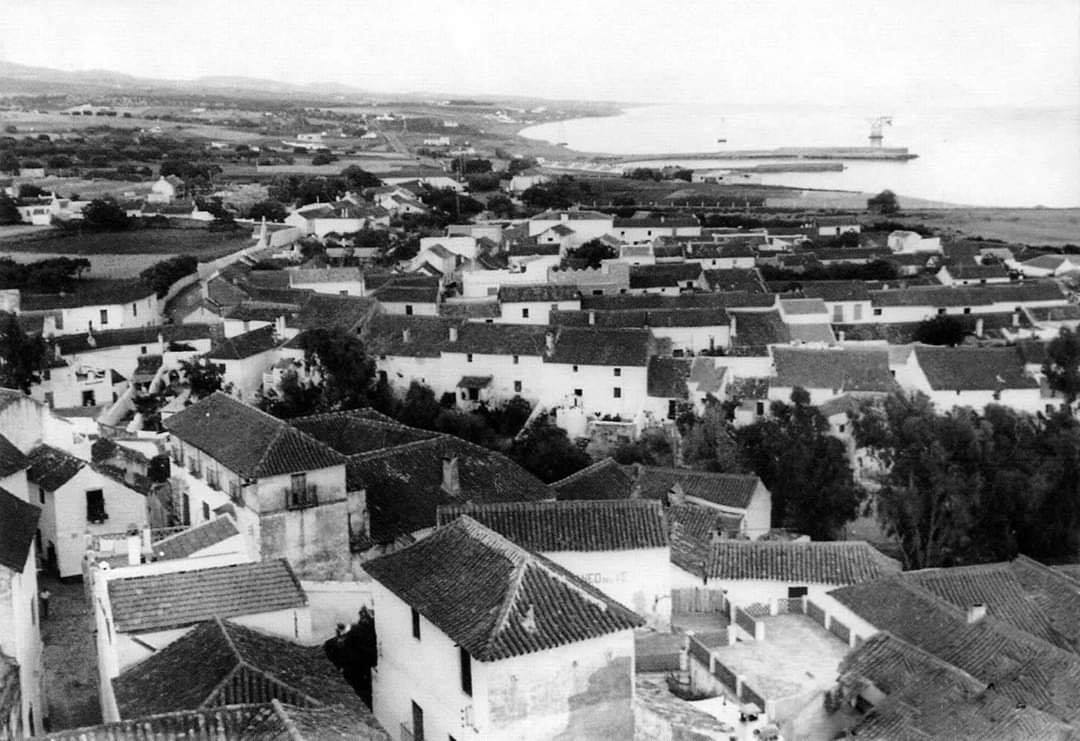
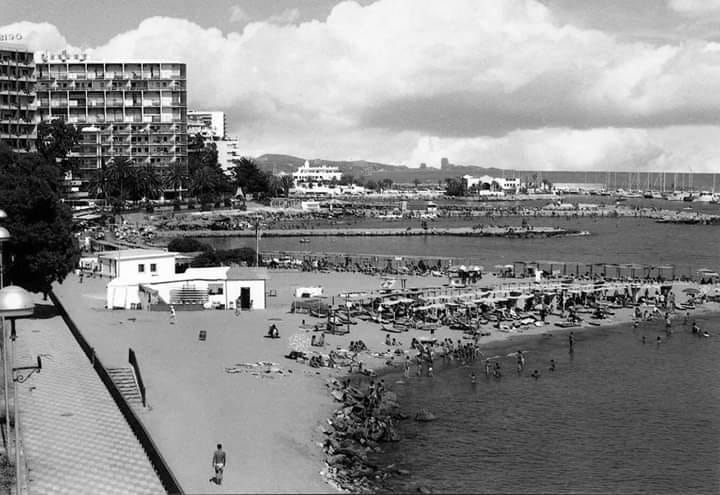
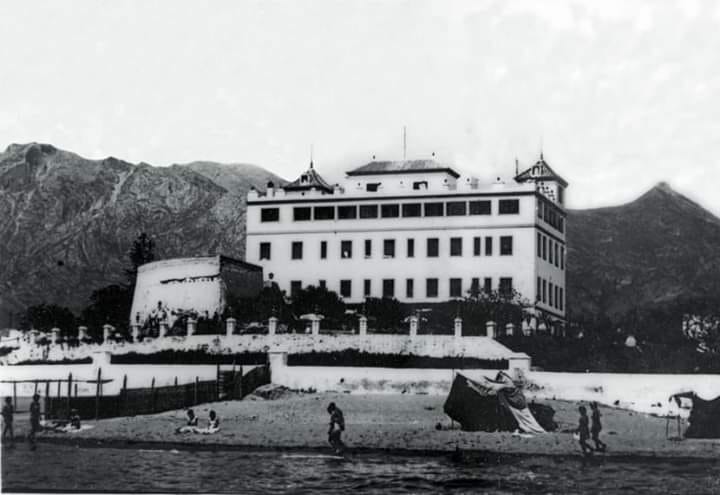
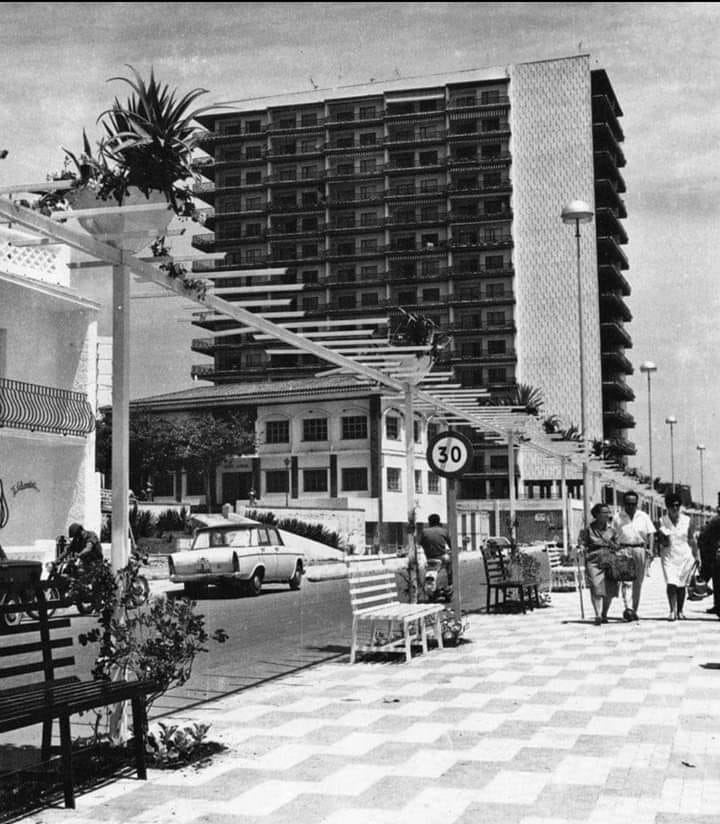
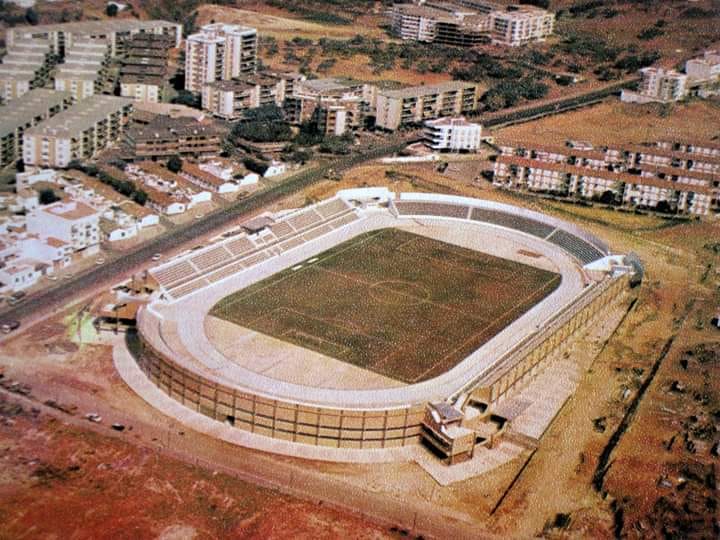
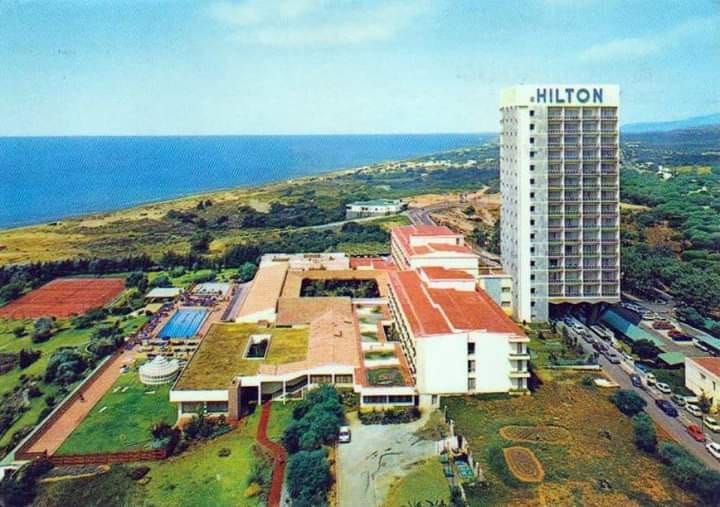
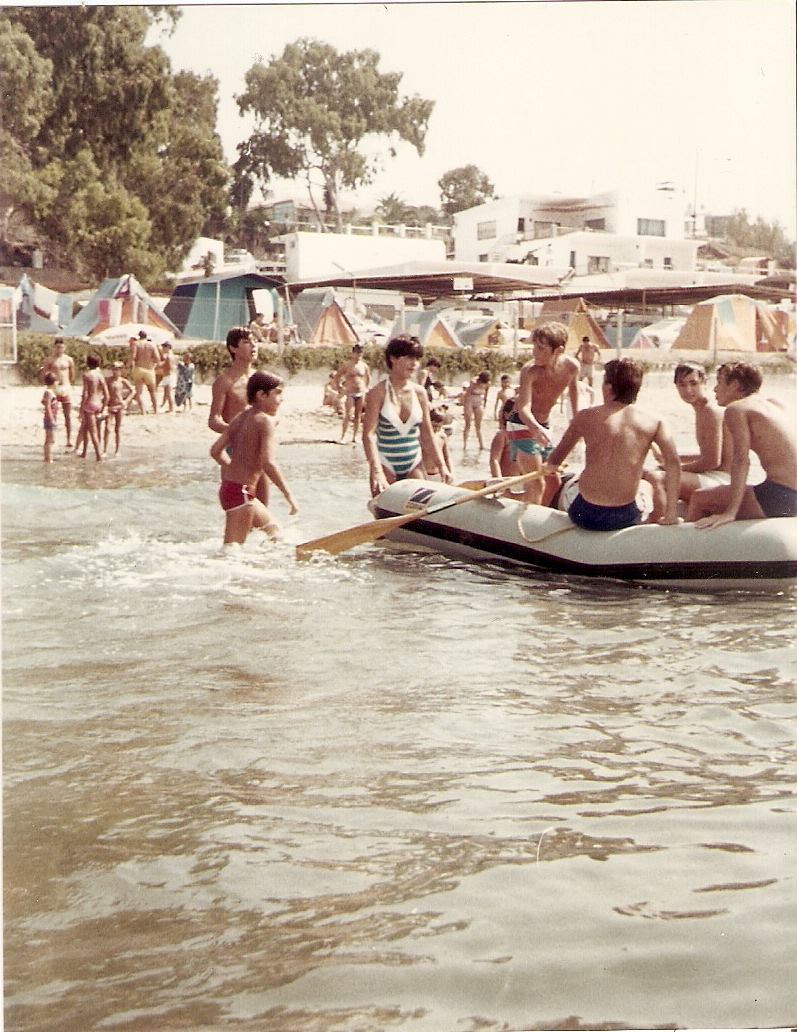
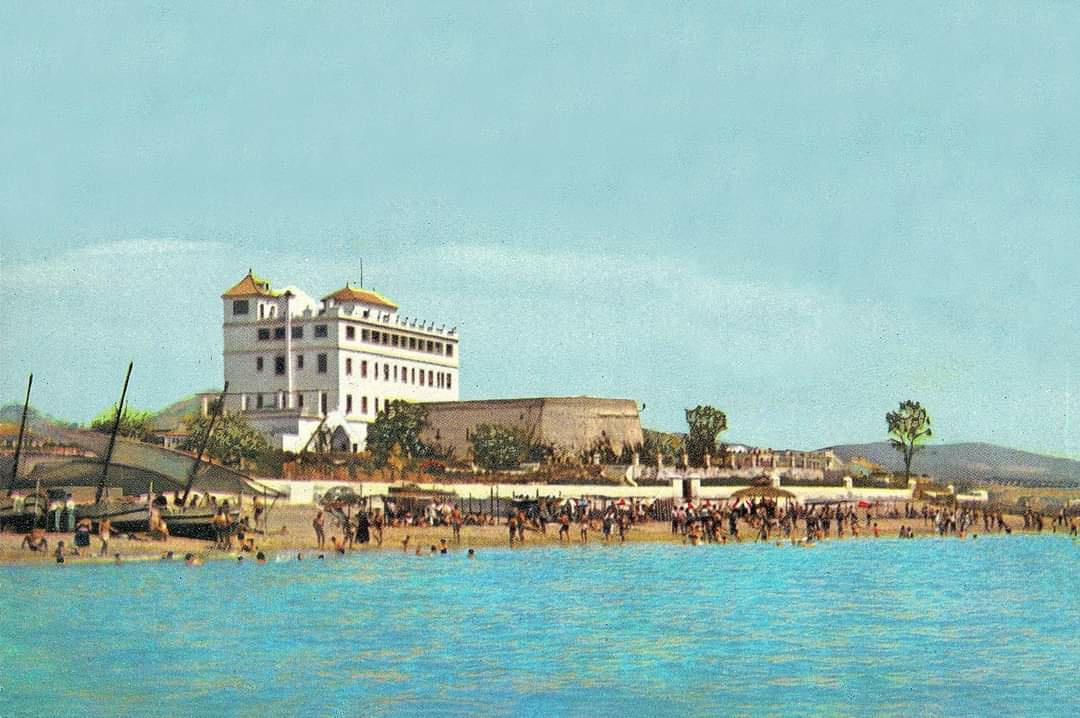
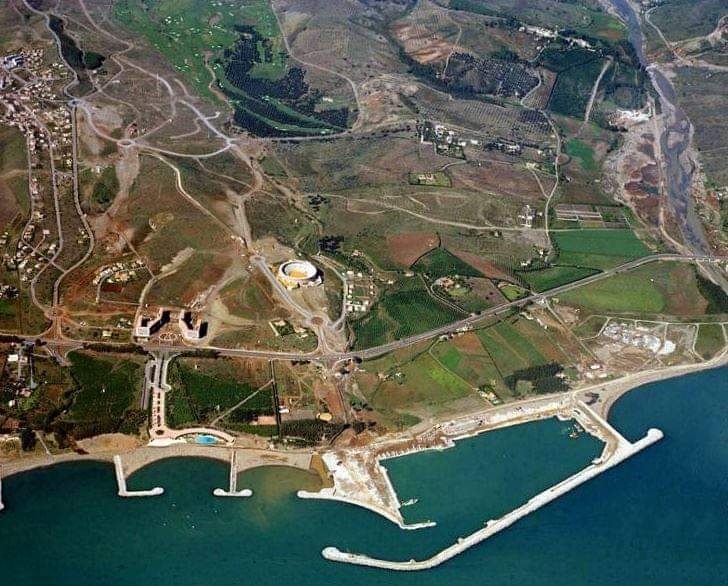
Marbella in the Past
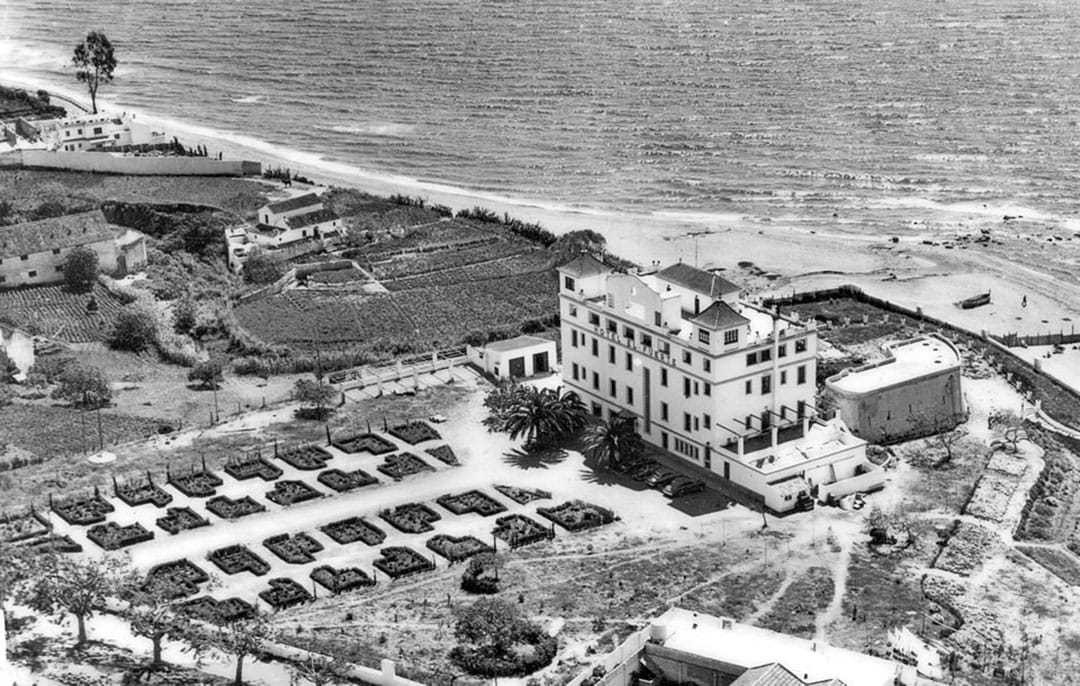
A visual archive of Marbella through the decades. Tap any photo to enlarge.
Vintage Marbella (Color)
More recent decades—still nostalgic. Tap to enlarge.
Tip: Desktop users can click any photo for a full-screen view. On mobile, carousels swipe naturally.